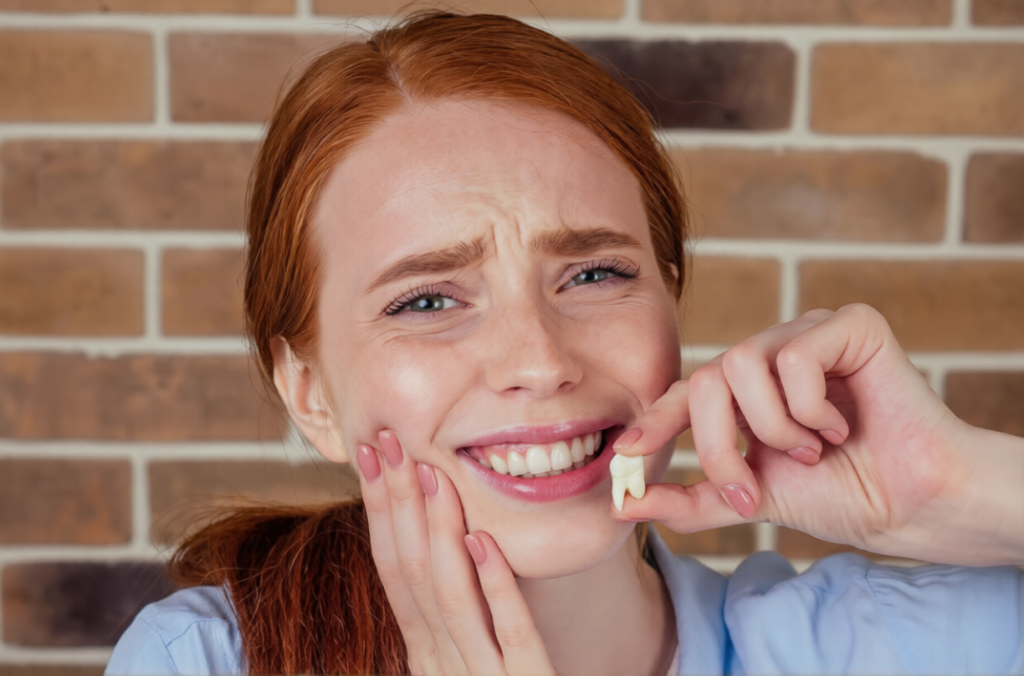
The moment you notice a chip or crack in your tooth, a natural question arises: Will it heal on its own? Unlike a broken bone that can mend over time, teeth cannot regenerate in the same way. This is because tooth enamel lacks the blood vessels and living cells necessary for natural regeneration. Understanding why teeth differ from other body tissues helps set realistic expectations about dental damage.
This article explores the structure of teeth and explains the limited natural processes that may strengthen enamel. You’ll learn about the different types of tooth fractures and understand when professional broken tooth treatment may be required. We’ll also cover emergency signs that require immediate dental attention and prevention strategies you can implement. Ashburton Dental Centre serves patients in Gosnells who have concerns about damaged teeth and need a professional evaluation.
Summary of the Content:
- Teeth lack the biological mechanisms needed for regeneration, unlike bones, which can regenerate damaged tissue. Understanding this key difference helps explain why professional dental treatment is necessary for any structural tooth damage.
- Tooth enamel consists entirely of mineral crystals without living cells or blood vessels. While enamel is one of the hardest substances in the human body, its acellular structure means it cannot rebuild itself once chipped or cracked.
- The dentine layer beneath enamel contains microscopic tubules that transmit sensation but lack regenerative capacity. This porous layer cannot restore structural damage, even though it plays an important role in tooth sensitivity.
- Bones contain living osteoblasts and an extensive blood supply that enables active tissue regeneration. Teeth lack this biological framework, which is why dental injuries require different treatment approaches than bone fractures.
- Unaddressed tooth damage may progress over time, potentially leading to deeper cracks and bacterial infection. Professional dental intervention can help prevent complications and restore function to damaged teeth.
Why Broken Teeth Cannot Repair Themselves Naturally
Unlike bones, teeth cannot regenerate once damaged. Understanding why teeth differ from other body tissues can help you recognise the importance of seeking professional cracked tooth treatment.
- Enamel Has No Living Cells:
Tooth enamel is composed entirely of mineral crystals without blood vessels or living cells. While it is the hardest substance in the human body, this acellular structure means enamel cannot rebuild itself once chipped or cracked. - Dentine Contains Tubules, Not Healing Tissue:
Beneath the enamel lies dentine, a porous layer containing microscopic tubules. These tubules can transmit sensation but lack the regenerative cells needed to regenerate structural damage. - Bones Heal Through Active Cell Regeneration:
Bones contain living osteoblasts and an extensive blood supply that delivers nutrients to rebuild damaged tissue. Teeth do not have this biological capacity for regeneration. - Unaddressed Damage May Progress Over Time:
Without treatment, a crack may deepen and expose the sensitive inner layers of your tooth. Bacteria can enter through breaks in the enamel, potentially leading to infection or further structural weakening.
A broken tooth requires professional dental intervention to prevent complications and restore function. Contact your dentist to discuss appropriate treatment options for a broken tooth.
Remineralisation: The Only Natural Process for Minor Enamel Damage
While broken teeth cannot regenerate themselves, your mouth does have one natural defence mechanism that works at the microscopic level. Remineralisation is a natural biological process that can address tooth enamel damage, but its capabilities are limited and apply only to the earliest stages of enamel weakening. Understanding what this process can and cannot do is important for knowing when professional cracked tooth treatment becomes necessary.
What is remineralisation?
Remineralisation is a natural process in which minerals present in saliva can help strengthen weakened areas of tooth enamel. This process involves calcium and phosphate ions from saliva being deposited into enamel that has begun to demineralise. Tooth remineralisation is only effective for very early-stage enamel damage, such as pre-cavity lesions that have not yet formed structural defects.
This natural process cannot restore structural breaks, chips, or cracks that have already formed in the tooth. Remineralisation is limited to addressing surface-level enamel weakening before visible damage occurs. Once enamel has chipped or cracked, professional dental treatment is necessary to restore the tooth’s structure and function.
How tooth remineralisation works
Remineralisation is a natural process where saliva deposits calcium and phosphate ions into weakened areas of tooth enamel. Fluoride enhances this process by making the enamel crystals more resistant to acid attacks from bacteria and dietary sources. This continuous cycle occurs in healthy mouths and may help strengthen enamel that has not yet developed visible structural damage.
However, remineralisation has significant limitations when addressing broken teeth or established structural damage. This natural process cannot regenerate visible chips, cracks, or breaks, nor can it restore enamel that has already broken away. Once damage extends beyond the early surface-weakening stage or reaches the underlying dentine layer, professional dental treatment is necessary.
Supporting remineralisation naturally
Supporting your tooth enamel’s natural remineralisation process involves several daily habits that may help strengthen weakened areas. Using fluoride toothpaste can support enamel resistance to acid attacks, as fluoride may help enhance mineral reuptake in early enamel lesions. Maintaining adequate hydration throughout the day helps support healthy saliva flow, which naturally delivers calcium and phosphate minerals to tooth surfaces.
Dietary choices also play a role in supporting tooth remineralisation. Limiting acidic foods and beverages and consuming calcium-rich foods may help maintain the minerals available for enamel strengthening. Avoiding frequent snacking helps reduce repeated acid exposure that can weaken enamel between meals. While these preventive measures may support natural enamel processes, they cannot restore structural damage, such as chips, cracks, or breaks, which require professional dental treatment.
Understanding Different Types of Broken Teeth and Their Implications
Broken teeth can present in several forms, each with different implications for your dental health. The type and severity of damage will determine whether cracked tooth treatment is necessary and which approach is most suitable. Understanding these distinctions can help you recognise when professional evaluation is needed.
- Craze Lines:
These are superficial cracks that affect only the outer enamel surface. While they represent a cosmetic concern rather than a functional problem, they should be monitored during regular dental examinations as they may deepen over time. - Chipped Tooth:
A chip occurs when a small piece of enamel breaks away from the tooth. Depending on the size and location, this may cause sensitivity or remain asymptomatic. Dental bonding can often address these concerns. - Cracked Tooth:
This involves a crack that extends from the chewing surface towards the root. You may experience pain when biting, even if the crack is not visible. Professional assessment is essential to determine the depth and appropriate treatment approach. - Split Tooth:
A split tooth occurs when a crack extends completely through the structure. This condition often develops from an unaddressed cracked tooth and may require extraction, though preservation options vary depending on individual circumstances. - Fractured Cusp:
This occurs around existing dental fillings when a portion of the chewing surface breaks off. The damage generally does not affect the tooth pulp but usually requires crown placement for structural protection. - Vertical Root Fracture:
These cracks begin at the root level and extend towards the chewing surface. Initial symptoms may be minimal, but the condition can lead to infection of the surrounding tissue and frequently requires extraction.
Only a qualified dentist can accurately assess the extent of tooth damage through clinical examination and diagnostic imaging. What appears minor on the surface may involve deeper structures, and early professional intervention may help prevent more complex treatment needs. Because every situation is different, a personalised assessment is important to determine the most suitable treatment options for a broken tooth.
Emergency Signs: When to See a Dentist Immediately
Recognising when a dental injury needs prompt attention can help you decide the right time to seek broken tooth treatment. While some situations demand same-day care to prevent complications, others may be safely addressed during a regular appointment scheduled within a reasonable timeframe. Understanding these differences—and knowing the right first-aid steps—can help you manage a broken tooth safely while you arrange an appointment with an emergency dentist for a broken tooth.
Situations requiring same-day or urgent care
Several situations with a broken tooth may require same-day dental care or urgent professional evaluation. Severe pain that does not respond to over-the-counter pain relief warrants prompt attention from your dentist. Visible bleeding continuing beyond 15-20 minutes, significant swelling of the face, jaw or gums, or a completely knocked-out tooth also require immediate care.
Additional urgent situations include a large broken tooth piece exposing the pulp, which may appear pink or red. Fever or signs of infection, as well as sharp edges that cut your tongue or cheek, should prompt you to contact your dentist promptly. If you experience difficulty breathing or swallowing, seek emergency medical care immediately, as this may indicate a serious complication requiring hospital treatment.
Situations that can wait for a regular appointment (but shouldn’t be ignored)
Some dental issues do not require emergency treatment but should still be assessed by a dentist within a reasonable timeframe. A small chip in a tooth that causes no pain or discomfort can typically wait for a standard appointment. Minor cosmetic concerns, such as slight wear or craze lines, which do not affect tooth function, may be addressed during your next scheduled visit.
Slight sensitivity that subsides quickly on its own may not indicate an urgent problem, though it warrants professional evaluation. Craze lines, which are superficial cracks in the enamel surface only, generally do not require immediate treatment but should be monitored during routine checkups. While these situations do not require same-day attention, scheduling an appointment within a reasonable time frame allows your dentist to properly assess the damage.
Why prompt treatment matters
Prompt treatment of a broken tooth helps prevent bacteria from entering the inner layers, which may reduce the risk of infection. Seeking timely care can help preserve a tooth that might otherwise require extraction if not managed for an extended period. Early intervention involves simpler procedures and may help minimise ongoing pain and discomfort, as well as the risk of additional damage to surrounding teeth. Addressing dental damage promptly often leads to simpler treatment, though individual circumstances and outcomes can vary significantly.
Immediate first aid while waiting for the dentist (Gosnells emergency care)
If you’ve broken a tooth while waiting for your dental appointment, several steps may help manage discomfort and protect the affected area. Rinse your mouth with warm water to remove debris, then apply a cold compress to the cheek to help reduce swelling. Take over-the-counter pain relief as directed on the label, and avoid chewing on the affected side to limit further discomfort. If the tooth has sharp edges, temporarily cover them with dental wax or sugar-free gum to protect your tongue and cheek.
Should you have any broken tooth fragments, preserve them in milk or saliva, as your dentist may be able to use them during treatment. These first-aid measures are only temporary. An assessment at Ashburton Dental Centre in Gosnells remains important to determine the most appropriate treatment options for a broken tooth and to prevent further damage. Every broken tooth situation differs, so contact the dental clinic promptly to discuss your specific circumstances and arrange appropriate care.
Finding emergency care in Gosnells
If you experience a dental emergency in Gosnells, Ashburton Dental Centre offers emergency appointments to address urgent concerns. Calling the dental clinic directly allows the team to assess the urgency of your situation. For emergencies occurring outside regular business hours, following the practice’s emergency contact protocol may help you access appropriate care. Individual circumstances vary, so contacting the clinic promptly helps you receive personalised advice for your specific dental concern.
Professional Treatment Options for Broken Teeth
Treatment for a broken tooth varies based on the type and extent of damage, the affected tooth, and whether the pulp is exposed. An emergency dentist for a broken tooth will conduct a thorough examination, which may include X-rays, to determine the most suitable approach for your situation. Treatment plans are tailored to individual circumstances and clinical findings.
- Dental Bonding for Minor Adjustments:
Dental bonding involves applying tooth-coloured composite resin to restore small chips and enamel damage. This procedure requires minimal tooth preparation and can usually be completed in one visit. The bonding material may last 5-10 years with proper care, though it may need replacement over time and can be susceptible to staining. - Dental Crowns for Moderate to Severe Damage:
A dental crown is a cap that covers the entire visible portion of a damaged tooth. This treatment is often suitable for moderate to severe breaks, teeth with large fillings, or cracked teeth. The procedure typically requires two visits and involves shaping the tooth to accommodate the crown, which may be made from porcelain, ceramic, metal, or a combination of materials. Crowns may last 10-15 years or longer with appropriate care. - Veneers for Front Tooth Concerns:
Dental veneers are thin shells that cover the front surface of a tooth and are often used to address chips or cosmetic concerns on front teeth. The procedure requires minimal tooth preparation, and veneers are custom-made to suit your tooth. With proper care, veneers can last 10-20 years, though they are primarily a cosmetic option and may not be ideal for areas subject to heavy chewing forces. - Root Canal Therapy for Pulp Damage:
Root canal therapy involves removing damaged pulp from inside the tooth and is generally indicated when a break extends to the pulp, causing infection or severe pain. The procedure usually requires follow-up treatment with a crown to protect the tooth. Root canal therapy techniques have evolved, and many patients report that the procedure is more comfortable than they expected. - Dental Implants for Non-Restorable Teeth:
A dental implant consists of a titanium post surgically placed in the jawbone with a crown attached on top. This option is considered when a tooth is too damaged to be restored by other means. The implant process typically takes several months and requires adequate bone density. Implants are designed to function similarly to natural teeth and do not rely on adjacent teeth for support. - Extraction and Bridge as Alternatives:
When a tooth cannot be preserved, extraction may be necessary, and a dental bridge can serve as a replacement. A bridge uses adjacent teeth for support to fill the gap left by the extracted tooth. This approach requires modification of the neighbouring healthy teeth to accommodate the bridge structure. - Factors Influencing Treatment Selection:
Your dentist will consider multiple factors when recommending treatment, including the location of the affected tooth, the extent of damage, your bite alignment, oral health history, and individual preferences. Each case is assessed individually to determine the most appropriate treatment approach.
Treatment outcomes and longevity vary based on individual circumstances, oral hygiene practices, and ongoing dental care. During your consultation, your dentist will review your situation and guide you through the available treatment options for a broken tooth.
Protecting Your Teeth: Prevention Strategies
Protecting your teeth from damage requires a combination of careful habits and professional dental care. While prevention strategies can lower your risk of a broken tooth, they may not completely prevent it. Individual circumstances and oral health factors will influence how effective these strategies are for you.
- Wear Protective Gear When Needed:
Custom-fitted mouthguards from your dentist can help protect your teeth during contact sports such as football, hockey, or basketball. If you grind your teeth at night, a professionally fitted nightguard may help reduce the risk of tooth damage from bruxism. - Avoid Behaviours That May Damage Teeth:
Refrain from chewing hard substances such as ice, hard lollies, or popcorn kernels, as these can cause tooth fractures. Using your teeth as tools to open packages or bottles, biting fingernails, or chewing on pens may increase the risk of chips or cracks. - Maintain Strong Oral Hygiene:
Brushing twice daily with fluoride toothpaste and flossing regularly can help prevent tooth decay, which weakens tooth structure. Attending dental checkups every 6-12 months allows for early detection of issues and professional assessment of your risk factors. - Consider Dietary Factors:
Limiting sugary and acidic foods and beverages may help reduce enamel erosion and decay. Including calcium-rich foods in your diet and staying well-hydrated can help maintain healthy saliva flow and tooth strength. - Address Underlying Dental Issues:
If you have teeth grinding habits, bite alignment problems, or old, large fillings, discussing treatment options with your dentist may help reduce pressure on vulnerable teeth. A professional evaluation can provide tailored prevention recommendations based on your specific oral health needs.
Taking preventive measures can help maintain healthy teeth. However, results vary based on individual circumstances, and regular dental consultations remain important for personalised guidance. If you have concerns about tooth damage or would like to discuss prevention strategies, contact your dental professional for an assessment.
What to Expect at Your Dental Appointment
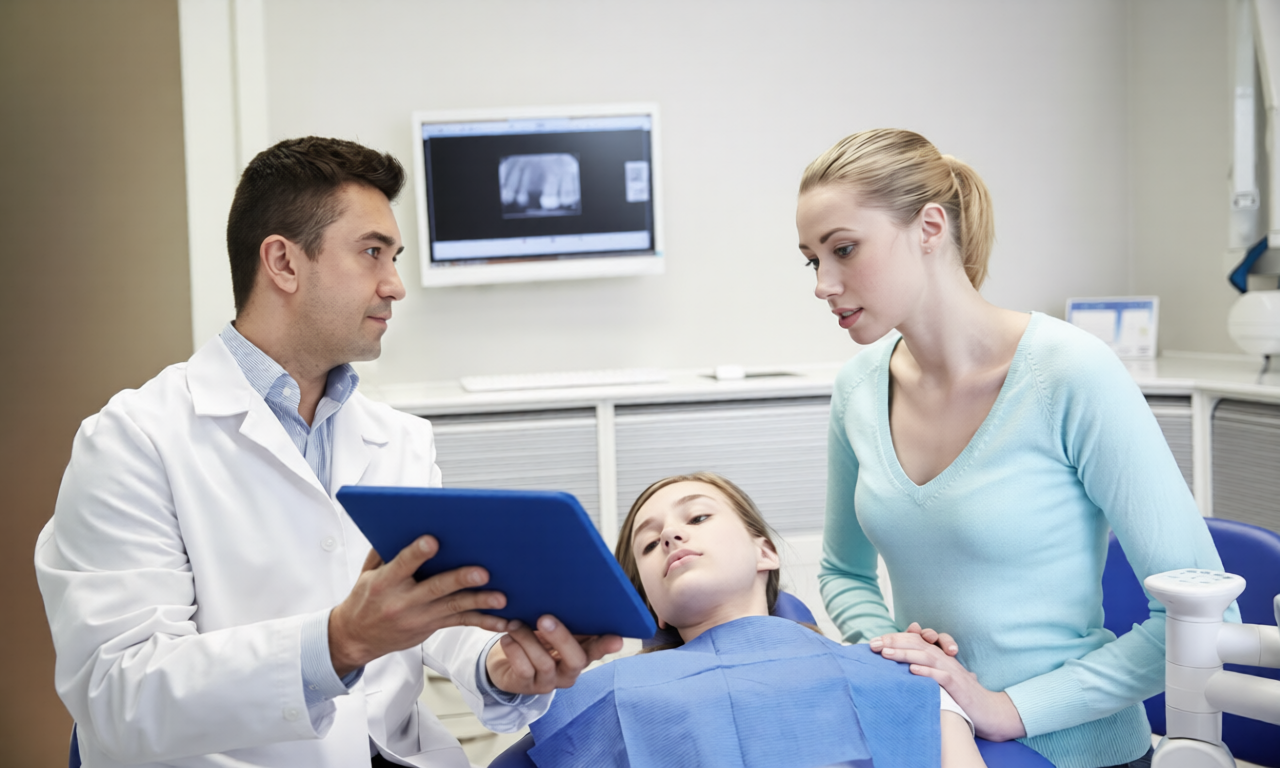
Understanding what happens during your dental visit can help you feel more prepared and informed about the assessment process. Your dentist will use a combination of examination techniques and diagnostic tools to develop a detailed picture of your tooth’s condition and recommend appropriate next steps.
Initial examination
Your dentist will begin with a detailed visual examination of the damaged tooth to assess the extent of the break or crack. They will then check how the tooth responds to pressure and temperature, which may help identify nerve involvement. Finally, your dentist will evaluate your bite alignment and examine the surrounding teeth and gums to determine the most appropriate treatment approach for your circumstances.
Diagnostic procedures that may be used
An emergency dentist for a broken tooth may use several diagnostic tools to thoroughly assess the extent of damage. X-rays can help visualise damage below the gum line that isn’t visible during a standard examination. Transillumination involves shining light through the tooth to identify cracks or fractures in the enamel.
Periodontal probing allows the dentist to assess bone loss around the affected tooth’s root. For more complex cases, three-dimensional cone-beam CT may be recommended to provide detailed views. These diagnostic procedures help your dentist develop an appropriate treatment plan tailored to your specific situation.
Discussion of findings
During your consultation, your dentist will explain the specific type and extent of damage identified in your tooth. They will explain the treatment options for a broken tooth, helping you understand which approaches may be appropriate for your needs. Your dentist will also discuss the expected treatment timeline and provide cost estimates to help you decide whether the treatment is right for you.
Treatment planning considerations
Treatment planning for a broken tooth depends on several factors that your dentist will carefully evaluate during your consultation. The urgency of treatment varies based on the extent of damage, presence of pain, and risk of infection or further structural compromise. Your dentist will consider your preferences, concerns about the procedure, your overall oral health, and your personal circumstances when recommending the most suitable treatment approach for your specific situation.
Questions to ask your dentist
When you visit your emergency dentist for a broken tooth, asking the right questions can help you understand your situation and make a well-considered decision about your treatment. Being prepared with specific questions allows you to receive clear information about your circumstances and what to expect. Below are questions you can ask your dentist:
- What type of damage do I have?
- What happens if I delay treatment?
- What are the treatment options for a broken tooth?
- What can I expect regarding timeline and appointments?
- How can I manage discomfort in the meantime?
These questions provide a framework for a productive conversation with your dentist about your broken tooth. Each person’s situation is different, so your dentist will tailor their responses to your needs and circumstances.
Final Thoughts
Understanding that your tooth cannot regenerate itself naturally is the first step towards appropriate care. Unlike bones, dental enamel lacks the living cells and blood supply needed for regeneration. While tooth remineralisation may help strengthen very early surface weakening, it cannot address structural damage, such as chips or cracks. Broken tooth treatment is essential to restore proper function and prevent complications.
Prompt dental evaluation can help identify the most suitable treatment approach for your circumstances. Early intervention may reduce the risk of infection and prevent further damage to the affected tooth. Contemporary dentistry offers various treatment options that may help restore function and appearance. If you have concerns about a damaged tooth, contact Ashburton Dental Centre in Gosnells for a professional assessment.