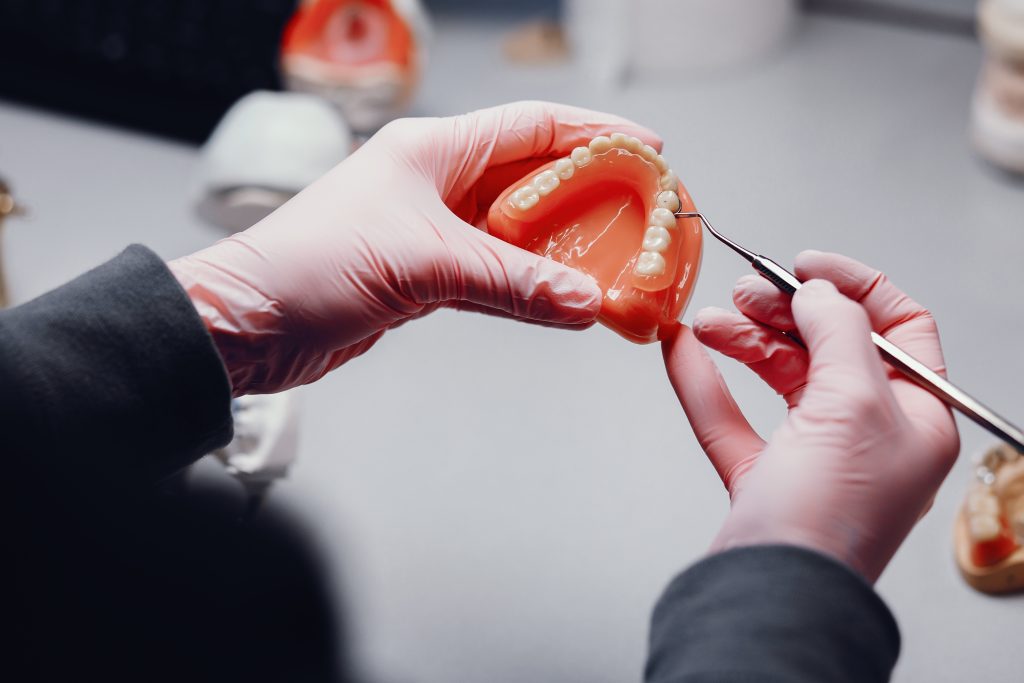
Starting with new dentures can feel overwhelming. You might be experiencing difficulty speaking clearly, struggling to eat foods you once enjoyed, or dealing with general discomfort that makes you wonder: Do dentures ever get comfortable? These challenges are common experiences for new denture wearers, and acknowledging them is an important first step. The adjustment period is a normal part of the process, and for most patients, these difficulties are temporary.
Many patients report noticeable improvement within the first 4-8 weeks, though some may adapt more quickly or require additional time. The adjustment journey involves learning new techniques for eating and speaking, building tolerance to wearing the dental appliance, and allowing your mouth to adjust to this change. Timeframes vary significantly by individual, influenced by factors such as bone density, denture type, and how consistently you wear your new false teeth. Understanding that your experience may differ from others helps set realistic expectations for your personal journey.
This article covers the week-by-week adjustment timeline that many patients experience, from the challenging first two weeks through the confidence-building weeks that follow. You’ll learn about common challenges like speech difficulties and eating limitations, along with practical strategies that may support improved function during adaptation. We’ll also explain when persistent discomfort requires professional attention, how proper denture care supports long-term comfort, and why regular dental visits remain essential even after the initial adjustment period.
Summary of the Content:
- The adjustment period typically spans 4-8 weeks, varying based on individual factors, bone density, and denture type. Many patients wonder if dentures ever get comfortable during the early stages.
- Initial challenges include increased saliva production, speech difficulties with certain words, and a limited diet that requires soft foods only during the first few days.
- Daily cleaning with a soft-bristled brush and non-abrasive denture cleaner helps keep your dentures functioning optimally throughout the adjustment period.
- Wearing dentures consistently during waking hours may support your mouth’s adaptation to the new dental appliance, though individual experiences vary.
- Regular dental check-ups allow necessary adjustments as your gums and facial muscles adapt to the dentures over time, supporting long-term comfort.
- Ill-fitting dentures that cause severe pain, bleeding, or persistent sore spots require immediate professional attention rather than waiting for natural adjustment.
Understanding the Denture Adjustment Period
Your mouth contains thousands of nerve endings, making it highly sensitive. New dentures feel very prominent initially. Your brain typically requires time to adjust to these new sensations.
Your facial muscles typically need to adapt to new movement patterns for eating and speaking. Your jaw adapts to different pressure distributions. These changes happen simultaneously during the initial adjustment period.
Normal Adjustment vs. Problematic Pain:
Normal adjustment includes general bulkiness, mild gum pressure, and slight soreness that gradually improves. Problematic pain includes sharp pain lasting beyond 3-4 days, bleeding tissue, and inability to wear dentures beyond 2-3 hours.
Complete dentures typically require longer adjustment than partial dentures. Upper dentures covering the palate can trigger stronger sensations. Individual factors, such as bone health and wearing consistency, affect your timeline.
Week-by-Week Timeline: Common Experiences Reported by Many Patients
The adjustment timeline outlined here represents experiences reported by some denture wearers. However, individual timelines vary considerably, and your experience may differ significantly from what’s described here. Factors such as bone density, denture type, gum tissue health, and individual adaptability all influence speed.
Some people progress faster than this timeline suggests, achieving a comfortable fit within just two weeks. Others may need 10-12 weeks or even longer, particularly with complete dentures. Both scenarios are completely normal and don’t indicate failure or problems with your dentures.
The First Two Weeks: Initial Adaptation
The first two weeks after receiving dentures are typically the most challenging phase of adjustment. During this period, dentures feel most foreign and uncomfortable as your mouth begins adapting. This is when most people experience the greatest difficulties with eating and speaking.
Increased saliva production is one of the first changes you’ll notice. Your mouth initially interprets the dentures as food, triggering excess saliva as a natural response. This can feel unusual and may cause you to swallow more frequently than usual. Saliva production may normalise over time for some patients, though the timeline varies considerably by individual.
Minor irritation or sore spots may develop as dentures settle into their position. Some minor irritation may decrease as your mouth adapts; however, persistent sore spots in the same location after 3-4 days should be evaluated by your dentist.
Speech Challenges During Week 1-2:
Speaking clearly becomes temporarily difficult, particularly with certain sounds. The “s” and “f” sounds often cause the most trouble, as they require precise tongue placement. The dentures change the space your tongue has to move in. You may also notice slight whistling or lisping when you speak. The “th” sound can feel awkward as your tongue adjusts to touching the dentures.
Many patients report that speech changes improve with practice over time, though individual experiences and timelines vary. Speech adaptation timelines vary considerably by individual—some people adapt relatively quickly, while others need additional time. Reading aloud daily accelerates this improvement by providing focused practice.
Eating Challenges During Week 1-2:
Eating presents significant challenges during the first two weeks. Your bite force is dramatically reduced with new dentures, often to just 20-25% of natural teeth. You’re learning to chew with completely different mechanics than you used with natural teeth. Even foods that seem simple may feel awkward initially.
During this phase, you’ll need to limit your diet strictly to soft foods. Scrambled eggs provide protein without requiring significant chewing. Mashed vegetables like potato, pumpkin, or sweet potato offer nutrition while being easy to manage. Yoghurt, smoothies, and protein shakes provide variety whilst your mouth adjusts. Soup, particularly pureed or smooth varieties, works well during this initial period. Soft fish, like steamed white fish, break apart easily with minimal chewing effort.
Even these soft foods may feel awkward to eat initially. You might find yourself taking much longer to finish meals. Chewing may feel clumsy and uncoordinated. These experiences are completely normal during the early days.
Emotional Challenges During Week 1-2:
Many patients feel genuinely discouraged during this phase, wondering if they’ll ever adjust comfortably. Some feel frustrated by the limitations on eating and speaking. Others feel embarrassed about speech changes or worried about dentures slipping. These feelings are entirely normal and don’t predict your long-term success with dentures.
This two-week period represents the steepest part of the learning curve. Many patients report that challenges become easier over time, though individual experiences vary.
When to Contact Your Dentist During Week 1-2:
Certain symptoms during the first two weeks warrant contacting your dentist promptly. Severe pain that prevents you from wearing dentures for more than 2-3 hours requires evaluation. Bleeding gums indicate excessive pressure that needs adjustment. Persistent sharp pain in specific locations should be assessed. Complete inability to eat even the softest foods should prompt a dental visit.
Your dentist can make minor adjustments that significantly improve comfort during this critical phase. These adjustments are normal and expected, not a sign of failure. Most new denture wearers need at least one adjustment during the first month.
Weeks 3-8: Building Confidence and Comfort
Some patients report gradual improvements during the weeks following initial denture placement, though adaptation timelines and experiences vary significantly by individual. The changes during this phase may be subtle day-to-day, but looking back over the full period, the difference becomes remarkably clear.
Some patients report decreased awareness of their dentures over time, though individual experiences vary. Whilst you’re unlikely to forget completely that you’re wearing false teeth, they stop feeling like a constant foreign presence. Many patients describe reaching a point where they only notice their dentures when they consciously think about them.
Speech Improvements During Weeks 3-8:
Some patients report improved speech clarity over several weeks, though individual timelines vary considerably. The sounds that caused difficulty initially—particularly “s” and “f”—become progressively easier to produce. You may still notice slight differences in how you sound compared to speaking with natural teeth. Speech clarity may improve over time with practice, though individual experiences and timelines vary considerably.
Regular practice accelerates this improvement significantly. Regular practice, such as reading aloud, may support speech adaptation for some patients, though individual results vary. Speaking deliberately at first, then gradually increasing pace, helps establish new muscle memory.
Expanding Food Choices During Weeks 3-8:
Your ability to eat expands progressively during weeks 3-8. Some patients report being able to handle a wider variety of foods over time, though progression varies significantly by individual. You can gradually reintroduce foods with more texture beyond the initial soft diet.
Food progression timelines vary significantly by individual. The timeline below represents possibilities only—your experience may differ considerably. Always consult your dentist about appropriate food choices for your situation.
| Week Range | Suitable Foods | Why These Work |
| Weeks 3-4 | Tender pasta, soft breads, cooked cereals, ripe bananas | More texture but still easy to manage without excessive chewing |
| Weeks 5-6 | Cooked vegetables, tender chicken, soft fruits, light sandwiches | Building confidence with increasing variety and texture |
| Weeks 7-8 | Most cooked foods, tender meats, salads, most fruits | Approaching normal diet with understood limitations |
However, some challenging foods will likely still cause difficulty at this stage. Sticky foods like toffee or caramel can dislodge dentures uncomfortably. Tough meats that require significant chewing remain difficult. Hard nuts or raw vegetables may be too challenging. Very crusty breads can be problematic for many patients.
What “Used to Dentures” Actually Means:
Adaptation timelines vary considerably. Some patients report feeling ‘used to’ their dentures within several weeks, while others require additional time. It’s important to understand precisely what this phrase means. It doesn’t mean you’ve forgotten you’re wearing dentures or that they feel identical to natural teeth. Rather, it means you’ve achieved functional comfort for daily life.
You can speak clearly enough for normal conversations without constantly thinking about pronunciation. You can eat a reasonable variety of foods, understanding that some limitations remain. You can wear your dentures throughout the day without significant discomfort. You manage daily activities without constant awareness of the dental appliance.
Individual Variation in Timeline:
Some individuals may need longer than eight weeks, particularly in certain circumstances. Complete dentures often require more adaptation time than partial dentures. Significant bone resorption can significantly extend the adjustment timeline. Previous negative experiences with dentures can create psychological barriers affecting adaptation.
If you’re progressing more slowly than the timeline described here, this doesn’t indicate failure. It simply means your body and mind need additional time. Continue wearing dentures consistently and practising eating and speaking. Continued consistent wear and regular dental follow-up support the adjustment process, though individual experiences vary.
Common Challenges During the Adjustment Period
Understanding specific challenges helps you develop strategies to manage them effectively. Whilst adjustment is normal, knowing what to expect and how to respond makes the process considerably less daunting. The challenges described below are experiences reported by some denture wearers. However, persistent or severe symptoms should always be evaluated by your dentist to assess proper denture fit and function.
Speaking and Pronunciation Difficulties
Dentures affect speech because they fundamentally change several factors your mouth relies on for clear pronunciation. The dentures alter the amount of space your tongue has to move. They change how air flows when you make certain sounds. They provide different sensory feedback than your natural teeth did. These changes temporarily disrupt the speaking patterns you’ve used your entire life.
Why Certain Sounds Cause Difficulty:
The “s” sound requires extremely precise tongue placement and controlled airflow. Dentures initially interfere with both of these requirements. Many patients notice a slight whistling or an exaggerated “s” sound when they first speak. The “f” sound involves placing your upper teeth against your lower lip. This feels entirely different with dentures and may sound unclear initially.
The “th” sound also requires tongue placement that feels awkward with new dentures. Your tongue must learn where the denture teeth are positioned. Words containing these sounds—like “sister,” “first,” “think,” and “something”—often sound unclear during the first few weeks.
Practical Strategies for Speech Improvement:
Several strategies may support speech adaptation for some patients. Reading aloud daily provides targeted practice that helps your mouth learn faster. Spend 10-15 minutes each day reading from a book, newspaper, or any text that interests you. Regular practice may support your mouth’s adaptation process, though individual responses vary.
When you encounter problem words, practise them slowly and deliberately. Say the word several times, focusing on the tongue and lip placement needed. Gradually increase speed as the movement becomes more natural. Targeted practice may support speech adaptation for some patients.
Speaking deliberately at first helps more than rushing through conversations. When you speak quickly, your mouth relies on automatic patterns that no longer work with dentures. Slowing down gives you time to adjust tongue placement consciously. As you adapt over time, your speaking pace may gradually approach your natural rhythm, though individual experiences vary.
Recording yourself speaking and listening back can provide helpful feedback. You’ll hear which sounds need more work. You’ll also notice improvements that might not be obvious otherwise. This can provide encouraging evidence of progress.
Timeline for Speech Improvement:
Speech clarity improvement timelines vary significantly by individual. Some patients report noticeable improvement within several weeks of regular practice, while others may need additional time. Others may need 6-8 weeks or slightly longer to achieve clear, confident speech.
If speech difficulties persist beyond 6-8 weeks despite regular practice, additional support may help. Some speech therapists specialise in helping denture wearers develop clear speech patterns. Your dentist can also evaluate whether denture adjustments might improve speech clarity.
Managing Embarrassment About Speech Changes:
Temporary speech changes can feel genuinely embarrassing, particularly in social or professional settings. Acknowledging this emotional aspect is important. Feeling self-conscious about how you sound is a completely normal response. However, understanding several facts can help reduce this embarrassment.
First, these changes are temporary for most patients. The way you sound now isn’t permanent. Second, the people around you likely notice your speech changes less than you do. Third, most people are understanding if you briefly explain that you’re adjusting to new dentures.
Eating and Chewing Challenges
Your bite force reduces to approximately 20-25% of natural teeth. This means more thorough chewing and careful food selection.
Progressive Food Reintroduction:
Weeks 1-2:
- Smoothies, yoghurt, protein shakes
- Mashed potato, pumpkin
- Soft fish and minced meat
Weeks 3-4:
- Tender pasta with sauces
- Soft breads without crusts
- Ripe soft fruits
After 6-8 Weeks:
- Most fresh fruits are in pieces
- Most tender meats are portioned small
- Salads and cooked vegetables
Essential Eating Tips:
- Cut food into small pieces
- Take smaller bites
- Chew gently on both sides of your mouth
- Avoid very hot foods initially
Some challenging foods may require permanent adjustments. You may be able to gradually introduce foods with more texture over time, though some individuals may need to maintain dietary modifications. Discuss your specific situation with your dentist.
Increased Saliva Production and Gagging Sensations
Your mouth initially interprets the dental appliance as food. This triggers excess saliva temporarily. Saliva production may normalise over time for some patients, though individual experiences vary. If excess saliva persists, consult your dentist.
Upper dentures covering the palate can trigger gagging sensations initially. This relates to how your body perceives the foreign object rather than the actual obstruction. These sensations are uncomfortable but may decrease over time for some patients as your body adapts.
Management Strategies:
- Wear Dentures Consistently to Speed Adaptation
Wearing your dentures regularly throughout the day helps your mouth adapt faster. Consistent exposure allows your tissues and reflexes to adjust to the dental appliance. Remove them only for cleaning and overnight rest. - Breathe Slowly Through Your Nose When Gagging Occurs
Slow, deliberate nasal breathing helps calm the gag reflex naturally. Focus on taking deep breaths through your nose rather than your mouth. This breathing technique reduces the sensation and helps you feel more in control. - Relax Your Throat Muscles Consciously
Tension in your throat muscles can intensify gagging sensations. Consciously relaxing these muscles during episodes helps reduce the reflex. Practise this relaxation technique regularly throughout the day. - Use Adhesive as Your Dentist Recommends
Denture adhesive can provide added stability that reduces movement-triggered gagging. Use only the amount your dentist recommends for your specific situation. Proper application helps dentures stay in place more securely.
If gagging persists beyond two weeks, contact your dentist promptly. Minor adjustments may help reduce triggers for some patients, though individual responses vary. A warm saltwater rinse can reduce inflammation and promote healing.
Practical Strategies for a Smoother Adjustment
Whilst adjustment takes time regardless of what you do, certain strategies can make the process more comfortable and potentially shorter. The key principles are consistency and patience. Trying to rush the process by removing dentures frequently when they feel uncomfortable actually slows adaptation because your mouth doesn’t receive the regular exposure it needs to adjust.
Daily Habits That Help Your Mouth Adapt
Core Practices:
- Wear dentures during all waking hours, removing them only for cleaning and overnight rest.
- Practise reading aloud for 10-15 minutes daily to improve speech clarity and pronunciation.
- Perform gentle tongue exercises twice daily to strengthen the muscles used for denture wear.
- Clean your dentures daily using proper techniques to maintain hygiene and prevent bacterial buildup.
- Brush your gums, tongue, and palate gently twice daily to maintain healthy oral tissues.
Strengthening Exercises:
- Press your tongue firmly against your palate and hold for 5 seconds, then repeat 10 times.
- Close your lips around the dentures and hold firmly for 10 seconds to strengthen retention muscles.
- Practise these exercises twice daily, as they may support your adaptation process, though individual results vary.
When to Remove Dentures:
- Remove dentures overnight to allow essential tissues to rest and for proper blood flow to your gums.
- Remove dentures for thorough cleaning after meals to prevent food particles from irritating the gums.
- Clean your mouth thoroughly before sleeping to maintain oral health and prevent bacterial growth.
Food Choices That Support Easier Adjustment
Daily Cleaning Routine:
- Rinse Dentures After Every Meal
Regularly rinse your dentures after eating to remove food particles and prevent bacterial buildup immediately. - Brush Daily with Proper Equipment
Brush your dentures with a soft brush designed specifically for dentures, not a regular toothbrush. - Soak Overnight to Maintain Moisture
Soak your dentures overnight in an appropriate solution to prevent drying and maintain their proper shape. - Handle Carefully to Prevent Breakage
Handle your dentures over a towel or a basin of warm water to prevent damage if they are dropped.
Comfortable Eating Tips:
- Choose soft foods initially during the first few days to allow your mouth to adapt gradually.
- Chewing food on both sides of your mouth simultaneously may help keep dentures stable and reduce tipping.
- Avoid sticky foods like toffee or caramel, as they can dislodge dentures and cause discomfort.
- Avoid hard foods, such as whole nuts or hard lollies, until you’ve fully adapted to wearing dentures.
Never use regular toothpaste—it’s too abrasive and creates scratches where plaque builds up. Use a non-abrasive denture cleaner or mild soap instead to protect your dentures.
When to Contact Your Dentist About Denture Discomfort
Normal Symptoms:
- Mild discomfort during the first 1-2 weeks
- Feeling of bulkiness
- Initial saliva increase
- Minor speech difficulties
- Learning new eating techniques
Symptoms Requiring Attention:
- Persistent sore spots remaining in the same location after 3-4 days indicate a pressure point needing adjustment.
- Sharp pain when wearing or removing dentures suggests a poor fit that requires professional evaluation and adjustment.
- Bleeding gums or visible tissue damage indicate excessive pressure or poor fit, requiring immediate dental attention.
- Inability to wear dentures beyond two to three hours due to pain means the fit needs professional adjustment.
- Dentures that rock, slip, or click excessively during eating and speaking need modification for better stability.
- Speech problems persisting beyond 4-6 weeks despite regular practice may benefit from professional evaluation and adjustment.
- Severe gagging that doesn’t improve after two weeks often responds well to minor denture border adjustments.
- Dentures that feel loose over time indicate tissue changes requiring relining or adjustment to restore proper fit.
Most new wearers require 2-4 adjustment appointments during the first six months. Minor adjustments may help improve comfort, though individual responses vary.
Long-Term Denture Function and Maintenance
The initial 4-8 week period is most intense, but ongoing care maintains comfort. Understanding long-term care requirements helps you preserve function for years. Dentures require more maintenance than natural teeth do.
Why Regular Adjustments and Relining Are Important
Your jawbone naturally changes after tooth loss through resorption. As bone changes shape, fitting dentures may become loose.
Professional Care Timeline:
| Timeframe | Recommended Care |
| First 6 months | 2-4 adjustment appointments |
| Annually | Regular check-ups |
| Every 2-3 years | Relining may be needed |
| 5-10 years | Full replacement often necessary |
Relining adds new material to improve fit as tissues change. Well-fitting dentures distribute forces evenly and stay stable during eating and speaking.
Daily Denture Care Routines That Support Long-Term Comfort
Essential Routine:
- Rinse Dentures After Every Meal:
Regularly rinse your dentures after eating to remove food particles and prevent bacterial buildup immediately. - Clean Daily with Appropriate Tools:
Clean your dentures daily using a soft-bristled brush with non-abrasive denture cleaner or mild soap. - Soak Overnight to Maintain Condition:
Soak your dentures overnight in an appropriate solution to prevent drying and maintain their proper shape. - Maintain Oral Tissue Health:
rush your gums, tongue, and palate gently twice daily to maintain healthy oral tissues and circulation. - Handle Carefully to Prevent Damage:
Handle your dentures over a towel or basin of warm water to prevent breakage if accidentally dropped.
Monthly Inspection:
- Check for Visible Cracks Along Gum Line
Check for visible cracks, particularly along the gum line where stress concentrates and damage often begins. - Look for Worn or Chipped Teeth
Look for worn or chipped teeth that may affect your bite alignment or the appearance of your smile. - Notice Any Rough Spots Developing
Notice any rough spots on surfaces, as these can irritate your gums and tissues. - Identify Fit Changes Requiring Attention
Identify fit changes requiring professional evaluation, such as looseness or areas of increased pressure or discomfort. - Why Regular Dental Visits Matter:
Even without natural teeth, maintain regular dental visits for ongoing oral health monitoring. Your dentist monitors tissue health, checks for infections, and screens for serious conditions, such as oral cancer. A warm saltwater rinse can reduce inflammation and promote healing if tissues become irritated.
Final Thoughts
Do dentures ever get comfortable? While individual experiences vary considerably, many patients report that discomfort decreases over time with consistent wear and adaptation. Some patients notice improved comfort within several weeks, while others need additional time to adjust to their new dental appliance. Your personal timeline and experience will depend on multiple individual factors, including denture type, bone density, overall oral health, and how consistently you wear your dentures during the adjustment period.
Maintaining regular communication with your dental team throughout the adjustment process is essential. Professional support, necessary adjustments, and guidance tailored to your specific situation can significantly influence your comfort level. Regular check-ups allow your dentist to monitor tissue health, make necessary adjustments, and address any concerns promptly. While the adjustment period may involve challenges, many patients find that these become more manageable with appropriate professional support and time.
If you have questions about your existing dentures, are experiencing persistent discomfort, or are considering dentures for the first time, we encourage you to schedule a consultation at Ashburton Dental Centre. Our team can provide personalised assessment and guidance to support your denture journey. We’re committed to working with you to achieve the most comfortable outcome possible, recognising that each patient’s needs and experiences are