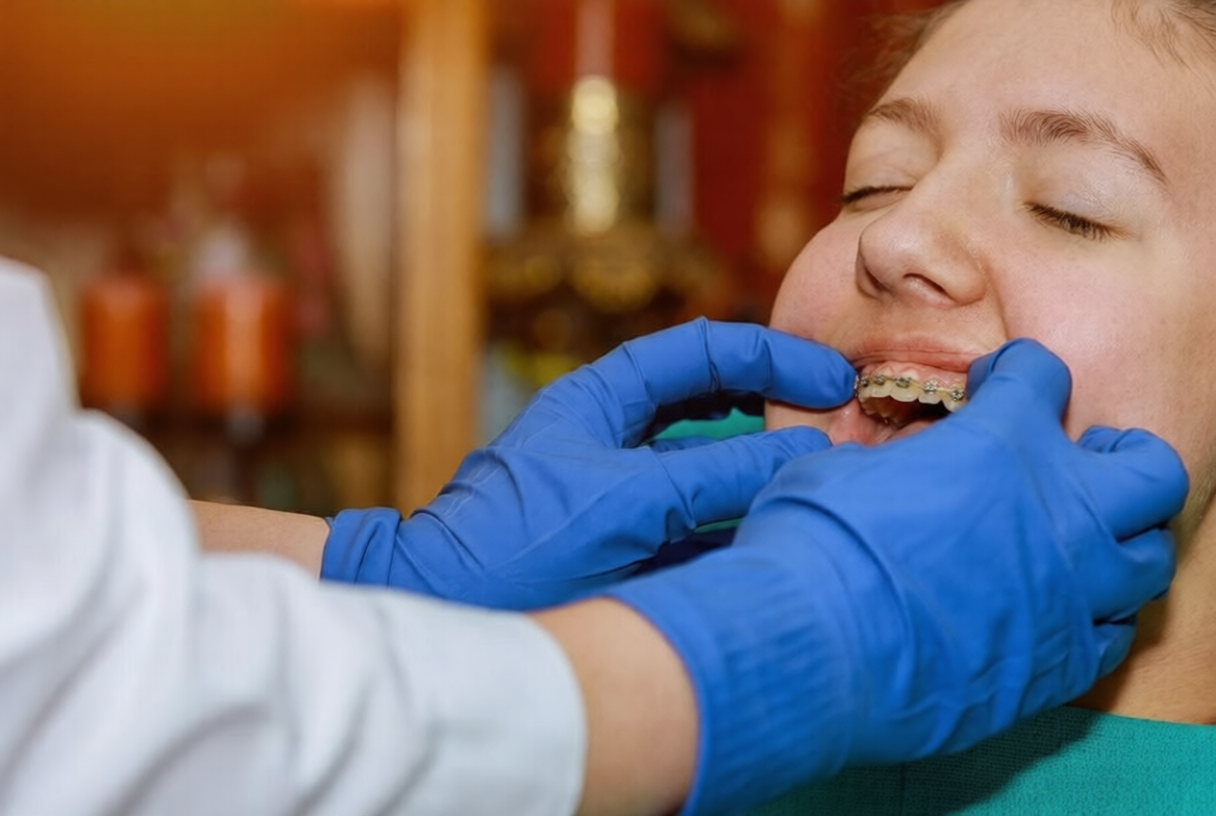
Many people wonder, “What happens if I don’t remove my dentures at night?” While it might seem harmless, wearing dentures continuously can affect oral health. Dentures place constant pressure on gums, reducing blood flow and slowing tissue recovery. Removing them at night allows your mouth to rest, stay clean, and remain healthy.
Sleeping with dentures may also increase bacterial growth, leading to gum irritation or infections like denture stomatitis. Removing dentures before bed helps maintain fresh breath and supports long-term denture comfort. Making this a nightly habit helps maintain comfort, hygiene, and overall oral well-being.
Summary of the Content:
- Sleeping with dentures may seem convenient, but it can cause gum irritation, bacterial buildup, and poor oral hygiene. Most dental professionals recommend removing dentures at night to allow your gums and tissues to rest.
- Continuous overnight wear increases the risk of respiratory infections, including pneumonia, due to bacterial aspiration during sleep. Removing and cleaning dentures each night reduces this risk and supports overall health.
- Leaving dentures in overnight can lead to gum inflammation and gradual bone loss, affecting the long-term fit and comfort of your dentures. Nightly denture removal helps support healthy oral tissues and maintain denture stability.
- Proper cleaning and soaking of dentures overnight prevent plaque, stains, and unpleasant odours. A consistent care routine supports oral comfort, hygiene, and well-being.
- Sleeping with dentures is only acceptable under short-term professional advice, such as after extractions or new denture placement. Always follow your dentist’s instructions for effective denture care.
Can You Sleep with Dentures In?
Some people may occasionally sleep with dentures, particularly when adjusting to new dentures or after a tooth extraction under a dentist’s advice. However, wearing dentures overnight can increase the risk of gum irritation, fungal infections, and denture stomatitis due to constant pressure on gum tissues. Leaving your dentures in at night may also lead to harmful bacteria buildup, bad breath, and poor oral hygiene. Most oral health professionals recommend removing dentures overnight to allow the tissues beneath to rest and recover properly.
Regularly removing dentures at night supports good oral health, reduces swelling, and maintains the proper fit of your dental appliances. Denture wearers should brush their dentures with a soft toothbrush or denture brush using a non-abrasive denture cleaner or denture cleaning solution. Clean dentures can be soaked in warm water or a denture cleanser to prevent plaque and stains while maintaining their shape. For personalised advice about denture care and overnight wear, consult your dental professional during regular dental checkups.
What Are the Risks of Sleeping with Dentures?
Sleeping with dentures may seem harmless, but it can have several hidden effects on your oral and overall health. If you’ve ever wondered, “What happens if I don’t remove my dentures at night?” the answer involves more than just minor discomfort.
Prolonged overnight wear increases the risk of infection, discomfort, and long-term damage to your gums and jawbone. Understanding these potential issues can help you make informed choices about your nightly denture care routine and protect your health in the long run.
Increased Risk of Pneumonia
Research indicates that wearing dentures overnight can increase the risk of respiratory infections, particularly pneumonia, in older adults. Bacteria and fungi can accumulate on dentures during extended wear, potentially being inhaled into the lungs during sleep. This bacterial aspiration can contribute to inflammation and infection, especially in individuals with weakened immune systems or existing health conditions. Dental professionals, therefore, recommend removing and cleaning dentures nightly to reduce bacterial load and help protect overall respiratory health.
Gum Irritation and Bone Loss
Wearing dentures continuously without nightly removal places constant pressure on the gums, restricting blood flow and causing tissue inflammation over time. Prolonged inflammation can irritate the soft tissues, making them more prone to soreness and infection. This ongoing pressure also accelerates bone resorption, gradually reducing the height and shape of the jawbone beneath the denture. As the bone changes, the denture may loosen or fit poorly, leading to discomfort and the need for adjustments or replacement.
Oral Hygiene Complications
When dentures are worn overnight, bacteria and food particles can accumulate on their surface, increasing the risk of oral infections such as denture stomatitis. This condition can cause redness, soreness, and inflammation in the tissues beneath the dentures, leading to discomfort and poor oral health. Continuous overnight wear may also contribute to unpleasant odours, commonly known as halitosis, due to bacterial growth in a moist environment. Maintaining good hygiene by removing and cleaning dentures daily helps prevent these complications and supports the overall health of the mouth.
Sleep Discomfort or Denture Movement
Wearing dentures overnight can cause them to loosen or move because the muscles that normally stabilise them relax during sleep. This movement may create pressure points that irritate the gums or soft tissues of the mouth. Over time, repeated movement can affect the fit of the dentures and contribute to soreness or inflammation. Removing dentures at night allows your oral tissues to rest and helps maintain overall comfort and denture stability.
When Might It Be Acceptable to Sleep with Dentures?
Sleeping with dentures is generally not recommended, but in some carefully managed clinical situations, your dentist may advise you to keep them in overnight for short-term reasons. These exceptions are always based on individual clinical judgement and should only be followed under direct professional supervision.
- After Tooth Extractions:
After tooth removal, your dentist may advise keeping your dentures in overnight to protect the extraction sites and reduce bleeding. This short-term measure also helps support gum healing and promotes proper tissue adaptation during the initial recovery period. - During the First 24 Hours of Denture Placement:
New dentures may be worn continuously for the first night to help the soft tissues adjust to their shape and positioning. Your dentist will then assess the fit and comfort at your follow-up appointment to confirm proper adaptation and healing. - To Manage Post-Surgical Swelling:
In certain post-surgical cases, wearing dentures overnight may be necessary to control swelling and maintain the proper positioning of soft tissues while healing occurs. - Under Dentist Supervision Only:
Any recommendation to sleep with dentures should come directly from your dentist, who will provide specific instructions and follow-up care to prevent infection or tissue irritation. - Short-Term Exceptions, Not Routine Practice:
These situations are temporary measures intended to support healing and should not replace the regular practice of removing dentures at night for hygiene and gum health.
Wearing dentures overnight is appropriate only under professional guidance and for short, medically justified periods. Always follow your dentist’s personalised advice for optimal outcomes.
Recommended Night-Time Denture Care Routine
Establishing a consistent night-time denture care routine is one of the most effective ways to keep your mouth healthy and your dentures in good condition. Each step in this process helps prevent irritation, infection, and damage, keeping your dentures comfortable. Following the simple practices below supports a clean, well-fitting smile and promotes overall oral health while you rest.
Step 1 – Remove Your Dentures Gently
Remove your dentures slowly using both hands to avoid bending or damaging the acrylic base or metal clasps. Rock them back and forth rather than pulling straight out to prevent gum irritation. This careful removal helps protect the soft tissues in your mouth and maintains the denture’s shape for a better fit. Proper technique also reduces the risk of accidental drops, which can crack or distort your dentures.
Step 2 – Clean Your Dentures Thoroughly
Use a soft, denture-specific brush to clean all surfaces of your dentures, removing food debris and plaque that can irritate. Always use a non-abrasive denture cleanser recommended by your dentist to protect the material from scratches. Avoid regular toothpaste, as its abrasive ingredients can damage the surface and reduce the life of your dentures. Rinse your dentures thoroughly with clean water after brushing to check that no cleanser residue remains before wearing them again.
Step 3 – Soak Dentures Overnight in Denture Cleaner or Water
Soaking dentures overnight in a denture cleaner or plain water helps maintain their proper shape and prevents the acrylic material from drying out. This process also removes bacteria, food debris, and plaque that brushing alone may not eliminate, supporting good oral hygiene. Using a denture-specific cleaner rather than household products helps protect the material and avoid surface damage. Before reinserting dentures in the morning, rinse them thoroughly with clean water to remove any cleaning solution residue.
Step 4 – Clean Your Gums and Mouth
After removing your dentures, clean your gums using a soft toothbrush or a clean, damp cloth to remove plaque and stimulate circulation. Carefully brush your tongue to reduce bacteria and maintain fresh breath. If you have remaining natural teeth, clean them thoroughly with fluoride toothpaste to protect against decay. This simple routine supports healthy oral tissues and helps prevent infection or irritation beneath your dentures.
Step 5 – Store Your Dentures Safely
After cleaning your dentures, place them in a clean, dry, and covered container specifically designed for denture storage. Always fill the container with fresh, cool water or a recommended denture-soaking solution to maintain shape and hygiene. Change the water daily to prevent bacterial growth and unpleasant odours that could affect your oral health. Store your dentures in a place away from heat, pets, and children, to avoid accidental damage or contamination.
Bonus Tip – Let Your Mouth Rest
Allowing your mouth to rest overnight without dentures helps your gums and oral tissues recover from daily pressure. Removing dentures improves blood circulation and reduces the risk of inflammation or soreness. This rest period also prevents long-term irritation, helping maintain the shape and health of your gum tissues. A denture-free night supports overall oral comfort and helps your dentures continue to fit properly over time.
Final Thoughts
Good denture care is an important part of maintaining oral health and overall comfort. Removing dentures at night allows your gums to rest and recover properly. It also helps prevent irritation, infection, and long-term changes to the fit of your dentures. Making this small daily habit part of your routine can improve your oral well-being.
If you have concerns about denture use or wonder, “What happens if I don’t remove my dentures at night?”, professional guidance can help. At Ashburton Dental Centre, our experienced team provides personalised advice on maintaining healthy dentures and supporting gum care. Regular dental checkups help maintain your dentures so they fit comfortably and function effectively. With the right dental care and professional guidance, you can keep a healthy smile.